Skip to product information
1 of 3

LogiPep

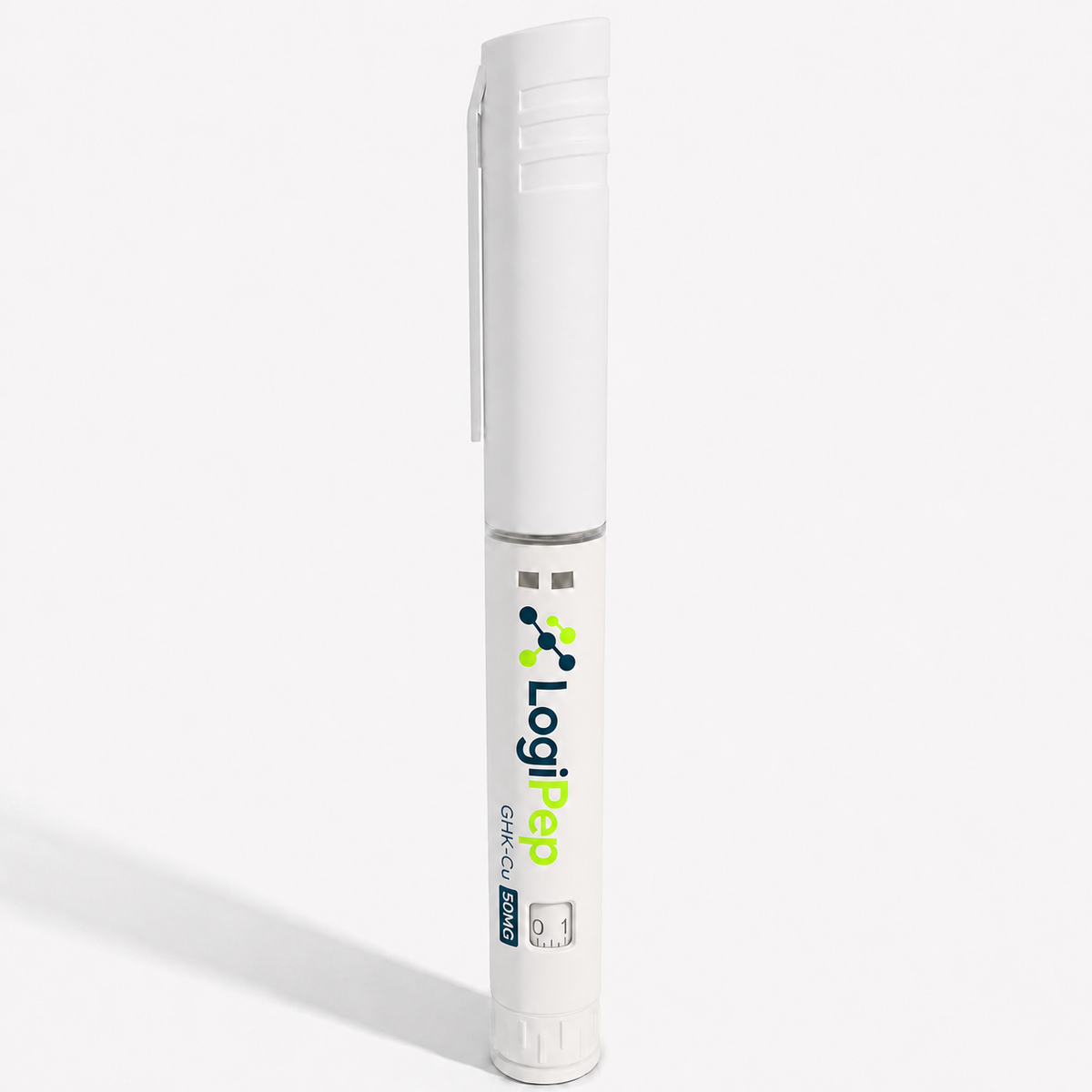
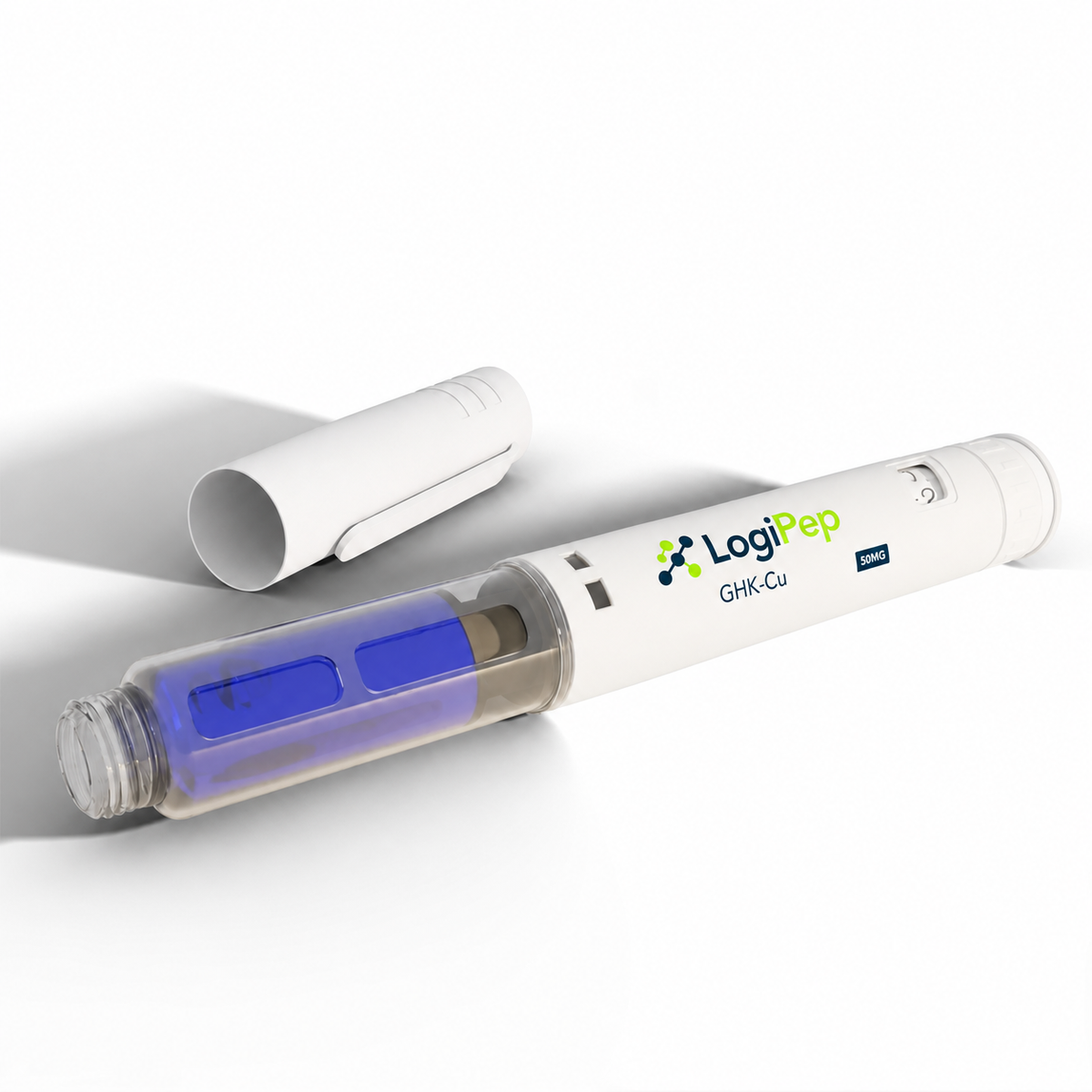
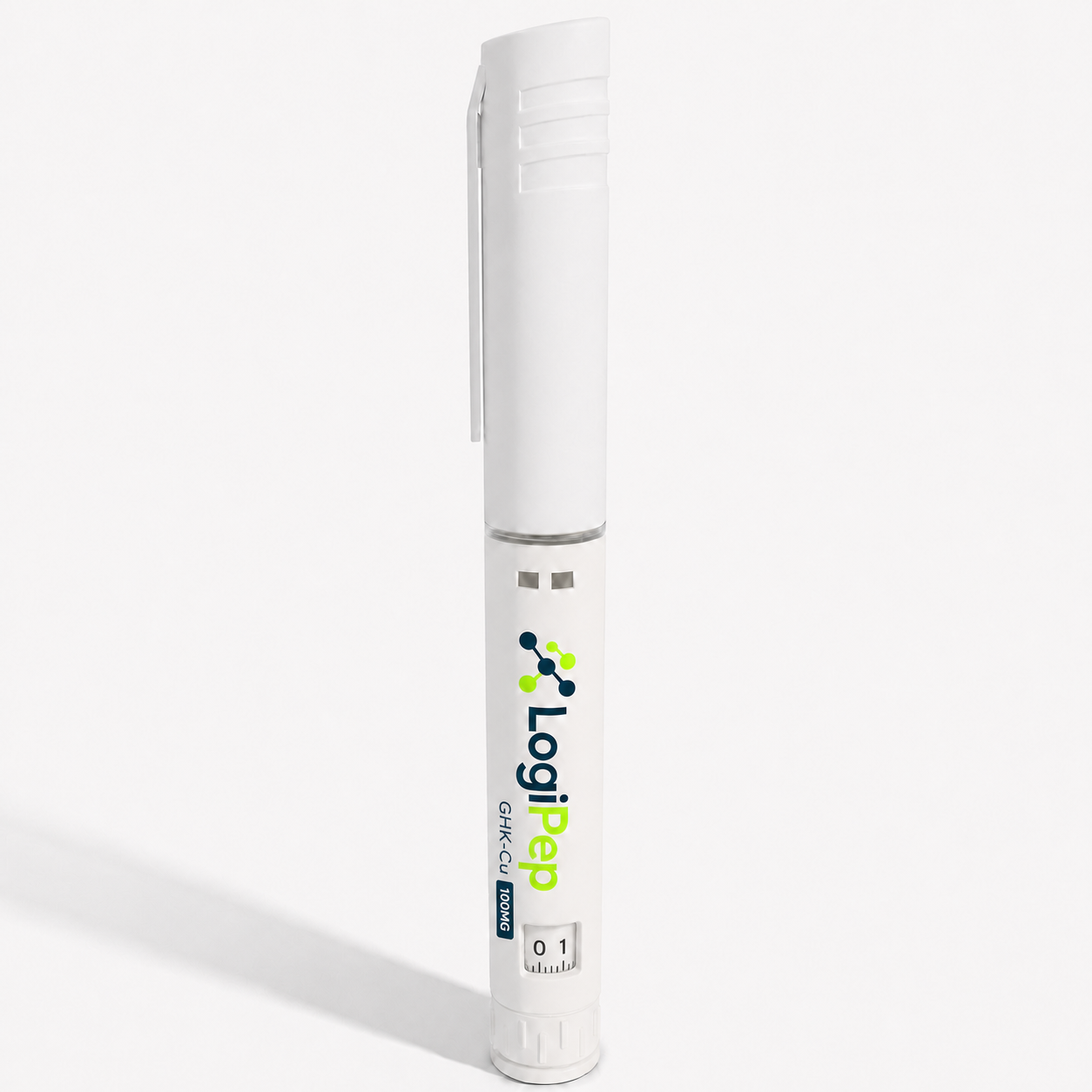
LogiPep GHK-Cu Pre-Mixed Pen | 50mg / 100mg

LogiPep GHK-Cu Pre-Mixed Pen | 50mg / 100mg

Regular price £49.00
Regular price Sale price £49.00
Sale Sold out
Taxes included.

Indicative retail price. Displayed for trade and international market reference purposes only. Products are not available for purchase through this website. Supply is handled separately and is limited to approved trade and research customers, subject to applicable laws and jurisdictional requirements.

Dosage

Overview of GHK-Cu

GHK-Cu, also known as copper tripeptide-1, is a naturally occurring complex formed from glycine, histidine and lysine bound to a copper ion. It is widely investigated for its involvement in cellular signalling, extracellular-matrix regulation, inflammation and tissue-remodelling processes.

Skin and Ageing Research

GHK-Cu has been studied for its potential influence on collagen, elastin and glycosaminoglycan production. These processes are associated with skin structure, elasticity and responses to environmental damage. Research has also examined its relevance to skin tone, photoageing and scar formation.

Wound Healing and Tissue Repair

Laboratory and preclinical studies have explored whether GHK-Cu supports cellular migration, collagen organisation and inflammatory regulation during tissue repair. Its possible relevance to wounds, burns and post-surgical tissue recovery remains an active area of investigation.

Hair and Follicle Research

GHK-Cu is being studied for its possible effects on hair-follicle activity, follicle size and the surrounding scalp environment. Researchers have examined its relevance to different forms of hair thinning, although its clinical effectiveness has not been conclusively established.

Inflammation and Oxidative Stress

Research suggests that GHK-Cu may interact with inflammatory signalling and antioxidant pathways. These mechanisms have generated interest in its possible relevance to inflammatory skin conditions, chronic inflammation and immune-related disorders.

Neurological Research

Preclinical research has examined the potential relationship between GHK-Cu, neuronal growth, cellular repair and protection from oxidative stress. Its relevance to neurodegenerative conditions and traumatic neurological injury remains experimental and requires substantially more investigation.

Cancer Research

GHK-Cu is being investigated for its possible effects on gene expression, matrix metalloproteinases, immune activity and extracellular-matrix remodelling in cancer models. This research remains preliminary, and no established role in cancer treatment has been demonstrated.

Muscle and Musculoskeletal Research

Researchers are studying whether GHK-Cu affects muscle-fibre repair, tissue remodelling and cellular responses following injury. Its potential relevance to age-related muscle decline and muscular disorders has not yet been clinically established.

Cardiovascular Research

GHK-Cu has been examined in relation to blood-vessel formation, vascular repair, inflammation and tissue responses following reduced blood supply. These mechanisms may be relevant to cardiovascular research, but evidence supporting therapeutic use remains limited.

Gastrointestinal Research

Early-stage studies have explored whether GHK-Cu influences inflammatory signalling and tissue repair within the gastrointestinal tract. Its possible relevance to inflammatory bowel conditions remains investigational and should not be interpreted as an established treatment.

View full details

Disclosures

For research use only. For research use only.

This product is exclusively designated for in vitro testing and laboratory research. All details provided on this website are for informational and educational purposes only. Any form of bodily introduction into humans or animals is strictly prohibited by law. This product is intended to be handled solely by licensed and qualified professionals. It is not a drug, food, or cosmetic, and must not be misrepresented, misused, or mislabeled as such.